Have you ever felt super-hot, like you’re about to melt? Maybe after running around on a sunny day, or when you have a fever? Well, your car can feel that way, too! When your car’s engine gets too hot, it’s called “overheating”. It’s like your car has a fever, and it’s a big deal because it can cause serious damage if you don’t do something about it. And you need a quick temporary fix for overheating car, otherwise it could result in a mess too.
So, when you see that needle creeping into the red zone, don’t panic! Taking quick action can often prevent a small problem from becoming a really expensive one. And, in this article, we’ll cover what to do, why it works, and when it’s time to call for professional help. So, let’s get your car feeling cool again!
Why is my Car Overheating?
Your car’s engine is like a super athlete running a marathon. It’s constantly working hard, and just like an athlete, it generates a lot of heat. If this heat isn’t managed, things can go very wrong. The parts can warp, seals can melt, and your engine could seize up, which is a fancy way of saying it completely breaks down. That’s why understanding the reason of your car overheating is the first step to fixing it.
The Coolant System: Your Car’s Air Conditioner
Think of your car’s cooling system as its own personal air conditioning unit, but for the engine. It’s a closed loop filled with coolant, a special liquid that’s much better at absorbing heat than plain water. This coolant flows through channels in the engine, picks up all that extra heat, and then travels to the radiator. The radiator, with its many fins, helps the heat escape into the air, often with the help of a fan.
Once cooled, the coolant goes back to the engine to start the process all over again. It’s a continuous cycle designed to keep your engine at its happy, optimal temperature.
7 Common Reasons Your Car Overheating
So, what can mess up this clever system? Lots of things!
- Low Coolant: This is probably the most common reason. If there isn’t enough coolant, it can’t absorb all the heat. This could be because of a leak, or maybe it just hasn’t been topped up in a while.
- Leaky Hoses: The coolant travels through rubber hoses. Over time, these can crack, split, or get loose, letting coolant escape.
- Bad Radiator: If the radiator is clogged with dirt or has damaged fins, it can’t release heat properly.
- Broken Water Pump: The water pump is like the heart of the cooling system; it pushes the coolant around. If it stops working, the coolant just sits there, and the engine overheats.
- Faulty Thermostat: The thermostat is a little valve that opens and closes to control coolant flow. If it gets stuck closed, coolant can’t get to the radiator to cool down.
- Broken Radiator Fan: When your car is moving slowly or stopped, there isn’t enough airflow to cool the radiator. That’s when the electric fan kicks in. If it’s broken, the radiator won’t cool down.
- Oil Problems: Believe it or not, engine oil also helps cool the engine. If your oil is low or old, it won’t do its job as well.
How to Spot Car Overheating?
Spotting an overheating car early can save you a lot of headaches and money. It’s like noticing a slight sniffle before you get a full-blown cold. Your car usually gives you clues before it gets into serious trouble.
The Dashboard Temperature Gauge
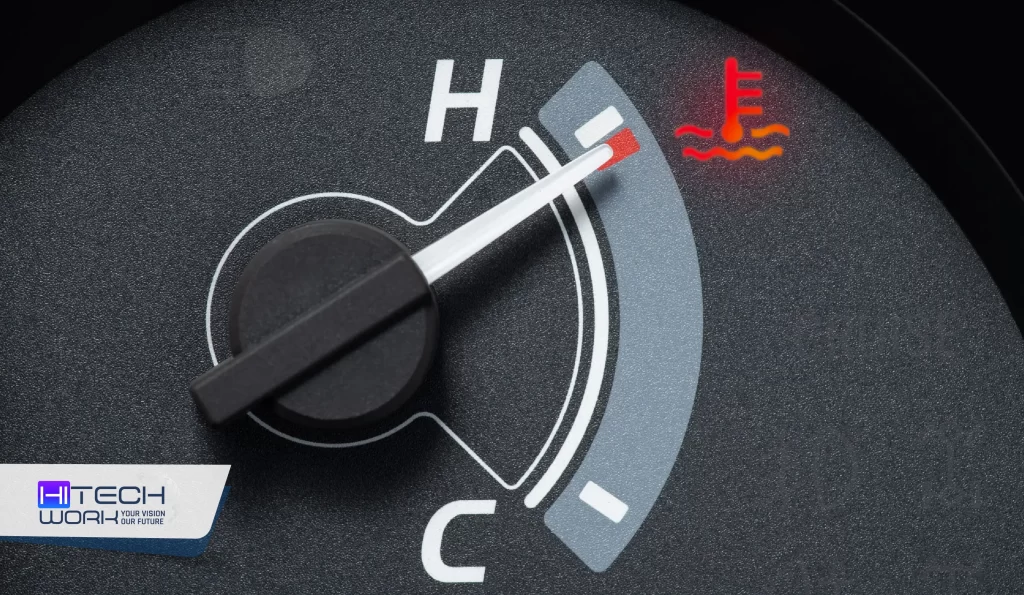
The most obvious sign is your car’s temperature gauge. Look at your dashboard. You’ll usually see a gauge with a “C” for cold and an “H” for hot or maybe a blue and red zone. Normally, the needle should stay somewhere in the middle. If it starts climbing steadily towards the “H” or into the red zone, that’s your car telling you, “Hey, I’m getting too hot!” Don’t ignore this warning!
Steam and Smells: What to Look (and Smell) For
Besides the gauge, your senses can give you clues.
- Steam from Under the Hood: This is a very clear sign. If you see steam or even smoke coming from under your hood, your car is definitely overheating. It means the coolant has gotten so hot it’s boiling and turning into steam.
- Sweet Smell: Coolant has a distinct sweet smell. If you smell something sweet, almost like maple syrup, especially outside the car or near the engine, it could be leaking coolant.
- Burning Smell: A burning smell could mean engine oil is getting too hot, or it could be rubber or plastic parts melting due to extreme heat. This is a serious warning.
- Clicking or Clanking Noises: If your engine is making unusual clicking or clanking noises, it could mean that the engine oil is losing its ability to lubricate due to car overheating.
What to Do RIGHT NOW?
Okay, your car is showing signs of overheating. The gauge is high, maybe you can see some steam. Don’t panic! The first few things you do are super important and can prevent major damage.
Turn Off the Air Conditioning, Turn On the Heat
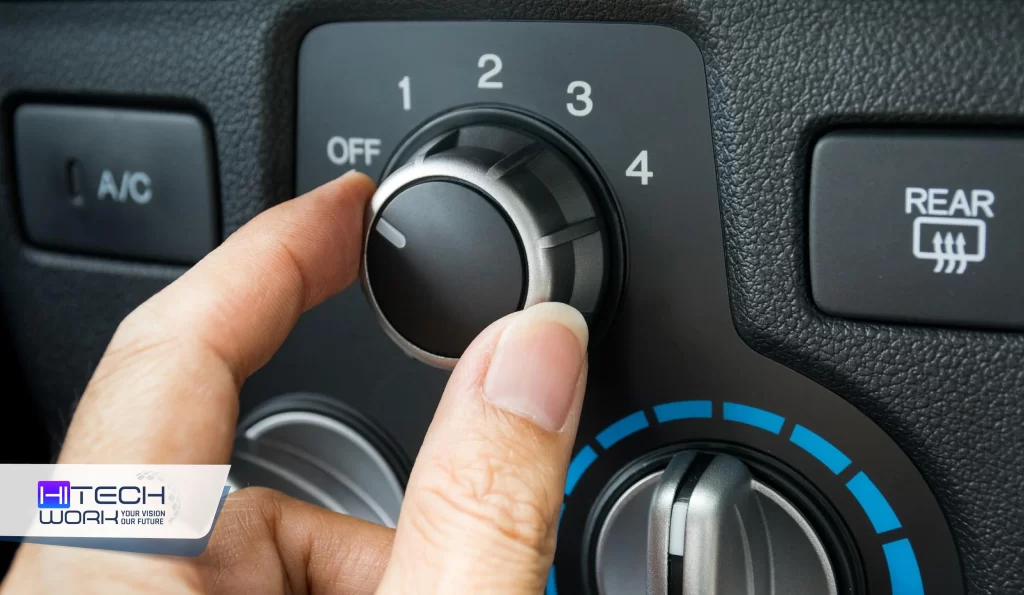
This might sound crazy, especially if it’s already hot outside, but trust me on this one. Your car’s air conditioning system puts extra strain on the engine, making it work harder and generate more heat. So, turning it off immediately reduces that load.
Then, turn on your car’s heater to full blast. Your car’s heater uses the hot coolant from the engine to warm up the air inside the cabin. By turning it on, you’re essentially drawing some of that excess heat away from the engine and into your car’s interior.
Pull Over Safely and Turn Off the Engine
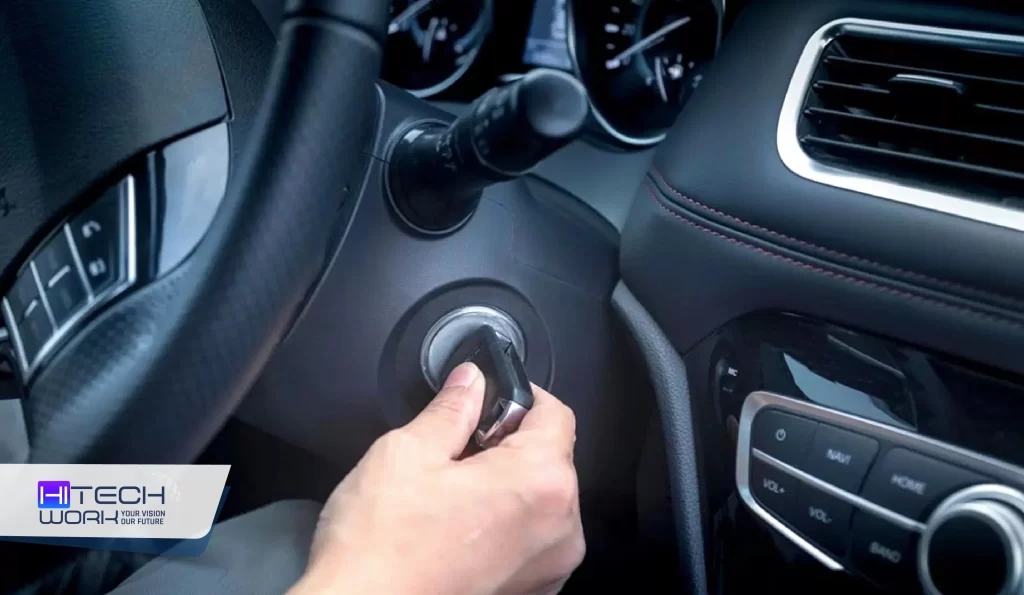
If the temperature gauge is still climbing, or if you see steam, the safest thing to do is to pull over as soon as you can do so safely. Find a safe spot away from traffic, put your car in park, and turn off the engine.
Turning off the engine stops the heat-generating process. It gives everything a chance to cool down naturally. Opening the hood can also help dissipate heat faster, but be careful! Don’t touch anything that looks hot.
Don’t Open the Radiator Cap!
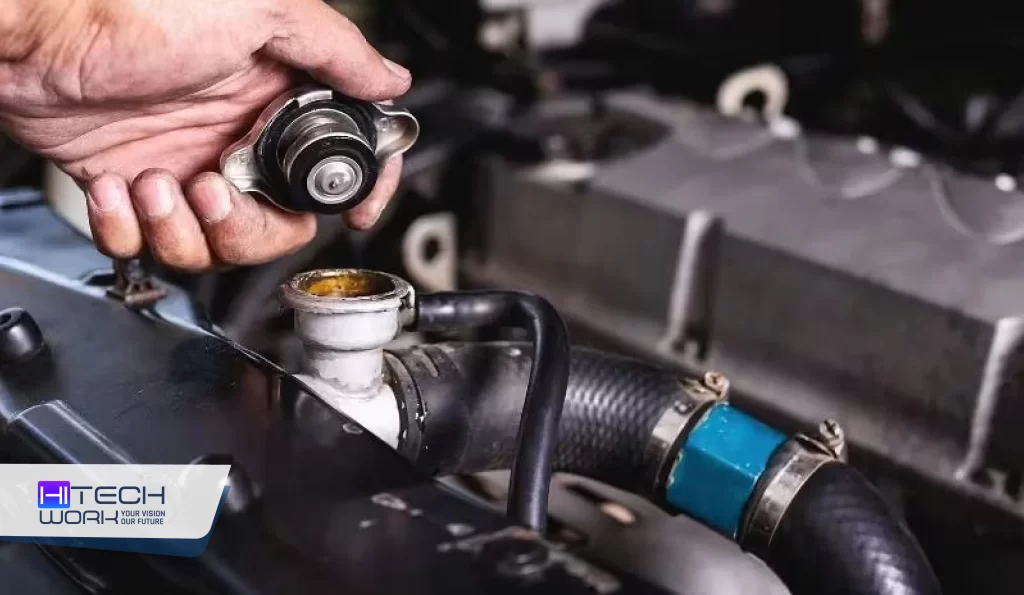
This is a super important warning: NEVER open the radiator cap when the engine is hot!
The cooling system is under a lot of pressure when it’s hot, and the coolant inside is boiling. If you open that cap, hot steam and scalding liquid can erupt out, causing severe burns. It’s like opening a pressure cooker too soon.
Wait at least 30 minutes, or until the engine is completely cool to the touch, before even thinking about opening the radiator cap. Even then, use a thick rag or glove to slowly twist it open, releasing any remaining pressure gently. Safety first!
3 Temporary Fix for Overheating Car
Once your car has cooled down a bit and you’ve assessed the situation, there might be a few temporary tricks you can use to get to a mechanic or a safer location. Remember, these are not permanent solutions for car overheating, just ways to limp along.
1. Adding Water to the Coolant System (Emergency Only!)
If your coolant level is low, and you don’t have proper coolant mix handy, adding plain water can be a temporary lifesaver.
Only do this once the engine is cool.
- Locate the Coolant Reservoir: This is usually a translucent plastic tank near the radiator, with “MIN” and “MAX” lines.
- Slowly Open the Radiator Cap: As mentioned, only when cool!
- Add Water: Pour water (distilled water is best, but tap water is fine in an emergency) into the reservoir or directly into the radiator until it reaches the “MAX” line.
2. Checking for Leaks and Making a Quick Patch
Sometimes, a small leak in a hose can be the culprit. If you can safely look under the hood (again, only when cool!), check the hoses for any visible cracks, bulges, or drips.
- Temporary Tape Fix: For a very small pinhole leak in a rubber hose, you might be able to wrap it tightly with electrical tape or even duct tape as a super temporary patch. This is a desperate measure and won’t hold for long, but it might get you a few miles.
- Tighten Hose Clamps: Sometimes, a hose connection just gets loose. If you have a screwdriver or pliers, you might be able to tighten the clamps that hold the hoses onto their connections.
3. Driving with Caution: The “Limousine”
If you’ve managed to do any temporary fix for overheating car, cool things down and add some water, you might try to drive slowly to a nearby service station. This is often called the “limousine” method because you drive very gently and slowly.
- Drive Slowly: Keep your speed down. This reduces engine strain and allows more airflow over the radiator to cool it.
- Avoid Hills: If possible, try to stay on flat roads. Going uphill makes the engine work much harder.
- Watch the Gauge: Keep a very close eye on that temperature gauge. If it starts to climb again, pull over immediately and let the car cool down further.
Remember, these are all temporary measures. The goal is to get your car to a safe place where it can be properly diagnosed and repaired.
Conclusion
Car overheating is a stressful situation, but by staying calm and acting quickly on a temporary fix for overheating car, you can often prevent serious damage.
Remember the key steps: turn off the A/C and turn on the heat, pull over safely, let the engine cool down, and add water if necessary.
But most importantly, know your limits and don’t hesitate to call for professional help when needed. Regular maintenance and attention to warning signs are the best ways to keep your car running cool and prevent future “fevers.”
FAQs
Can I use just water in my cooling system?
Water can be used temporarily in an emergency, but it’s not a long-term solution. Water boils at a lower temperature than coolant and doesn’t offer the same protection against corrosion and freezing.
How long will it take to cool down after car overheating?
Wait at least 30 minutes, or until the engine is completely cool to the touch. It’s better to be patient than to risk getting burned by hot steam or coolant.
What does it mean if my car overheating even though the coolant level is fine?
This could indicate a more serious problem, such as a faulty thermostat, a blocked radiator, a broken water pump, or a blown head gasket. Have it checked out by a mechanic.
Can driving with the heater on damage my car?
No, driving with the heater on won’t damage your car. In fact, it can help to cool down the engine in an overheating situation.